Discoveries
Sixteen official stories
Each story here is taken from official NASA wording. None is a guess about what dark matter is made of.
The invisible glue
“Dark matter is the invisible glue that holds the universe together.” It “makes up most of the mass in galaxies and galaxy clusters,” and “doesn’t absorb, reflect, or emit any light,” but “takes up space and it holds mass.”[source]
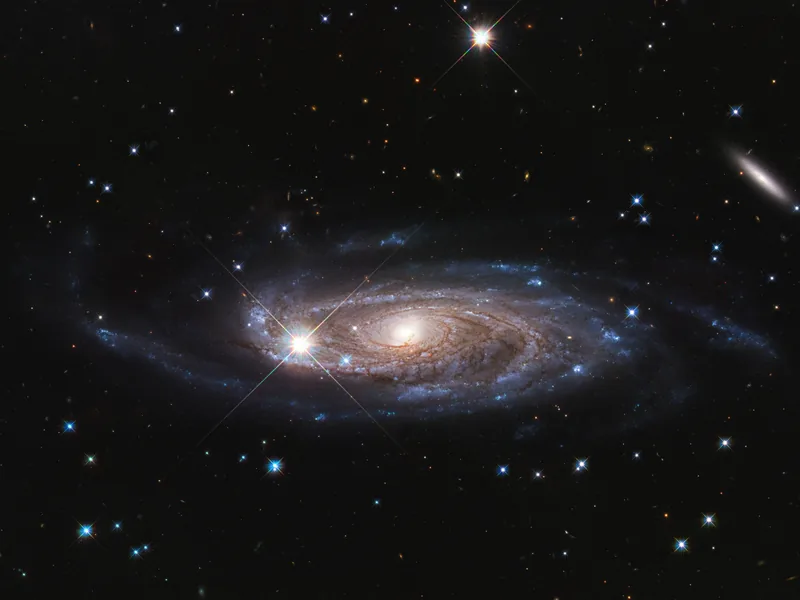
Five, twenty-seven, sixty-eight
NASA’s Dark Matter page: ordinary matter “about 5%,” dark matter “about 27%,” and dark energy 68%. A later sentence on the same page repeats that three-part budget exactly.[source]
Eighty-five percent of the mass
Hubble’s page, kept unblended: dark matter is “theorized to make up 85 percent of the universe’s total mass, or almost 30 percent of the universe’s combined mass-energy.”[source]
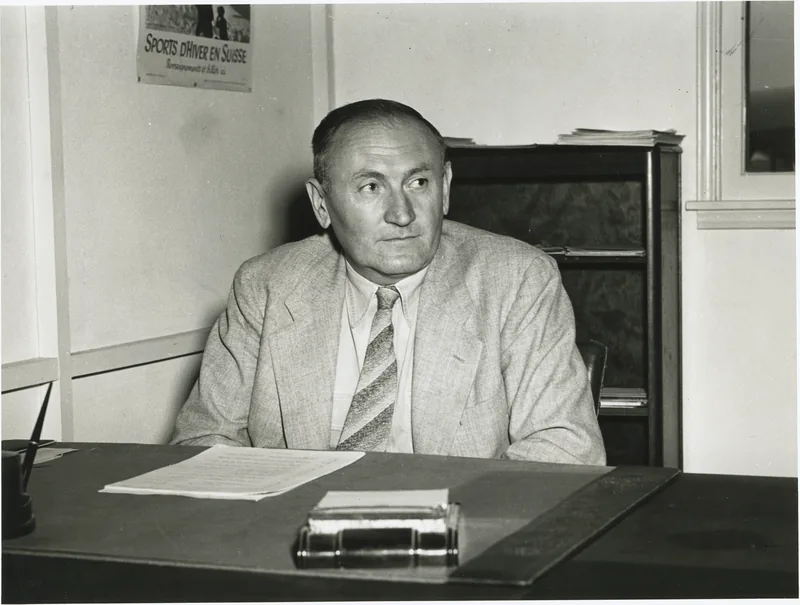
Dunkle Materie, 1933
Fritz Zwicky, studying the Coma Cluster, found galaxies that “moved too quickly for the gravity created by its observed ordinary matter.” He “dubbed this mysterious material ‘dunkle Materie,’ which is German for dark matter.”[source]
Still a fringe concept
Those early investigations “sparked ideas and curiosity,” official pages say, but dark matter “was still seen as a fringe concept without sufficient evidence to support it.”[source]
The stars that should have flown off
In the 1970s Vera Rubin watched stars on the outer edges of spirals. “To explain why these stars moved as fast as they did without flying into intergalactic space, there had to be a large amount of matter holding them in place.”[source]
The mother of dark matter
Hubble’s page calls Vera Rubin the “mother of dark matter.” She “found that stars in the outer reaches of galaxies were moving at speeds similar to stars closer to the center.”[source]
Like a vinyl record
Observations, Hubble’s page says, show galaxies rotate more like “an old-fashioned vinyl record on a turntable” than like a system that, given only luminous matter, should spin fastest at the centre.[source]
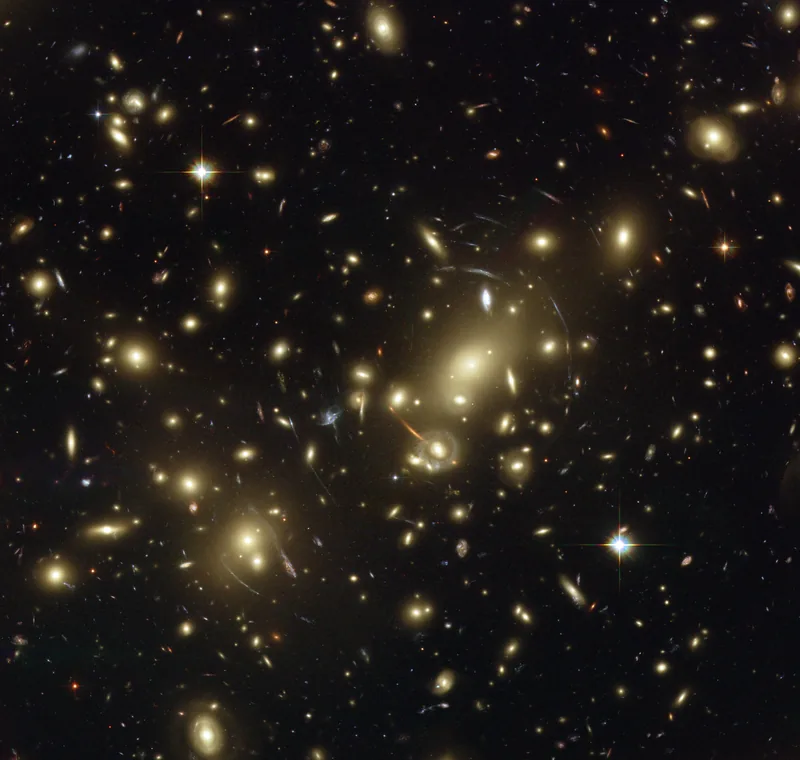
Gravity that bends light
“While dark matter doesn’t interact with light, its gravity can bend light from distant galaxies, creating an effect called gravitational lensing.”[source]
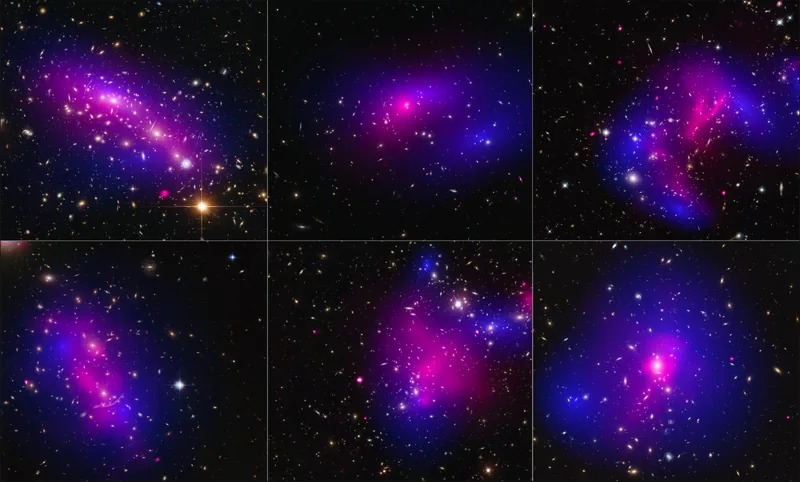
The Bullet Cluster, 2006
Two large clusters collided “about 3.8 billion light-years from Earth.” Official composites show hot gas in pink and a lensing mass map in blue, “distributed differently than the hot gas.” NASA calls this “one of the clearest direct examples of dark matter.”[source]
Dark is not a colour
“Dark matter is not a dark color. Rather, it’s called ‘dark’ because it’s invisible to us since it doesn’t absorb, reflect, or emit any light.”[source]
Not the same as dark energy
Dark matter “holds galaxies together.” Dark energy is “whatever is causing our universe to expand at an accelerating rate.” “They are not the same thing.” Dark energy “isn’t concentrated in galaxies or galaxy clusters.”[source]
Cold, or slow-moving
Simulations of cold, slow dark matter match the structures we see. Simulations of warm or hot, faster-moving dark matter do not. Official pages say it is “most likely that whatever dark matter is, it is cold or slow-moving.”[source]
Candidates, not discoveries
WIMPs, axions and primordial black holes are official leading candidates. Scientists “have not yet found evidence which would confirm any candidate.”[source]
Weighing the Milky Way
Hubble “helped ‘weigh’ our Milky Way galaxy to estimate its mass, most of which is locked up in dark matter.” It also found that galaxies “can be embedded in haloes of dark matter.”[source]
A web of scaffolding
Dark matter “is thought to be the scaffolding that normal matter arranges itself around and upon, a web woven through the universe whose gravity attracts normal matter.” Hubble helped make “a three-dimensional map that offered the first look at the web-like large-scale distribution of dark matter in the universe.”[source]
Enjoyed this dark-matter desk?
No pop-ups. No intrusive advertising. Just interesting stuff. A little support helps the next galaxies.im site get built.